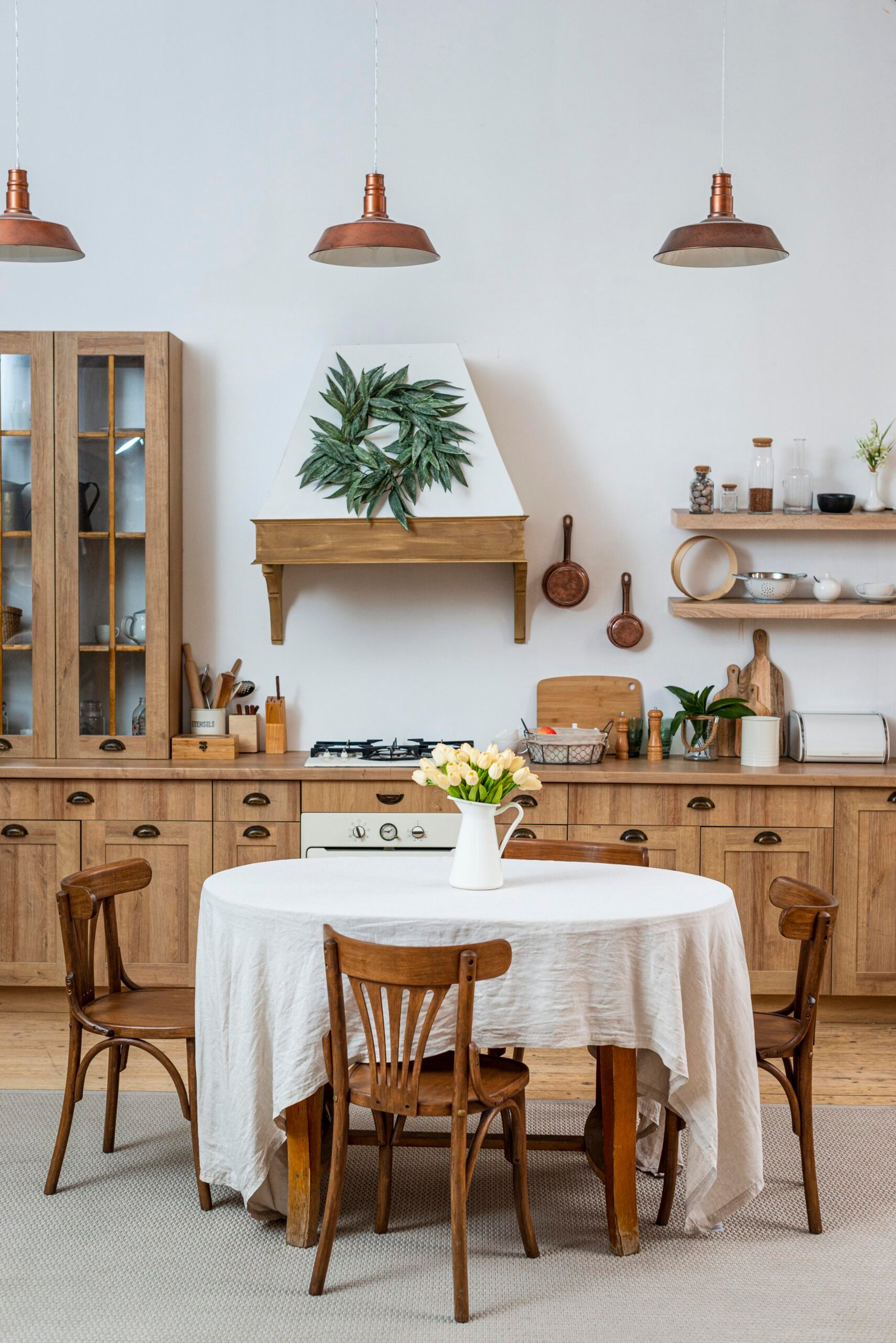
What Is the Difference Between a Kitchen and a Dining Room?
Introduction to Kitchen vs Dining Room
Many people ask, what is the difference between a kitchen and a dining room, especially when planning a home or looking at house designs. These two spaces may seem simple, but they play very different roles in everyday life. Understanding how they differ helps you design a better home, improve comfort, and even increase property value.
A kitchen and a dining room work closely together. One is used for cooking food, while the other is used for eating it. Even though they are separate spaces, they support each other in daily routines like preparing meals, serving food, and spending time with family.
Definition of a Kitchen
A kitchen is a space in a home made for cooking and preparing food. It is often called the cooking area or food preparation space. This is where meals are made from start to finish.
In most homes, a kitchen includes important features like a stove, oven, refrigerator, sink, and countertops. It also has cabinets for storage and space for tools and utensils. A well-planned kitchen layout helps people move easily while cooking. In modern homes, many people prefer a modular kitchen because it is organized and efficient.
The main purpose of a kitchen is to prepare food safely and quickly. Everything in the kitchen is designed to support cooking tasks.
Definition of a Dining Room
A dining room is a space used for eating meals. It is also known as an eating area or meal space. This room is where people sit together to enjoy food and spend time with family or guests.
A dining room usually includes a table, chairs, and lighting that creates a comfortable setting. Some homes have a formal dining room for special occasions, while others have a casual dining space for everyday use.
The dining setup is designed to make eating pleasant and relaxing. Unlike the kitchen, it is not meant for cooking but for enjoying meals and social interaction.
Core Functional Differences Between a Kitchen and a Dining Room
The main answer to what is the difference between a kitchen and a dining room lies in their function. A kitchen is used for cooking, while a dining room is used for eating.
In the kitchen, people wash, cut, cook, and prepare food. In the dining room, people sit, eat, talk, and relax. The activities in each space are clearly different, even though they are connected.
There is also a natural flow between these areas. Food is prepared in the kitchen and then carried to the dining room. This workflow is an important part of home design and helps make daily life easier.
Design and Layout Differences
Kitchen and dining room designs are very different because they serve different purposes. A kitchen layout focuses on efficiency and movement. It often uses the kitchen work triangle, which connects the sink, stove, and refrigerator to save time and effort.
A dining room layout focuses more on comfort and appearance. It is designed to create a welcoming space where people can sit and enjoy meals. Furniture is placed to allow easy movement and good conversation.
Space planning is also different. Kitchens need more storage and work surfaces, while dining rooms need open space for tables and chairs. These differences are important in home layout design.
Furniture and Fixtures Comparison
The furniture used in a kitchen is mostly built-in. Cabinets, shelves, and appliances are fixed in place. These fixtures are made to be strong and easy to clean because they are used often.
In a dining room, the furniture is usually movable. Tables, chairs, and sideboards can be changed or rearranged. The style of dining furniture often matches the overall home decor.
The materials used also differ. Kitchen materials are chosen for durability, while dining room furniture often focuses more on style and comfort.
Appliances and Equipment Differences
Kitchens have many appliances that help with cooking. These include stoves, ovens, refrigerators, microwaves, and dishwashers. In modern homes, smart kitchen technology is also becoming popular.
Dining rooms do not have heavy appliances. Instead, they may include simple items like serving dishes, trays, or storage cabinets for plates and glasses.
This is another clear way to understand what is the difference between a kitchen and a dining room. One is full of cooking equipment, while the other is designed for serving and eating.
Aesthetic and Atmosphere Differences
Kitchens are usually designed to be practical and clean. Many kitchens have a modern or simple look that makes cooking easier. Lighting in kitchens is bright and focused, which helps people see clearly while preparing food.
Dining rooms are designed to feel warm and inviting. They often include decorative elements like artwork, rugs, and stylish lighting. The lighting is softer to create a relaxing mood.
This difference in atmosphere shows how each space serves a different purpose in the home.
Open-Plan Living: Blending Kitchen and Dining Room
In many modern homes, kitchens and dining rooms are combined into one open space. This is called an open floor plan or open kitchen dining room.
This design allows people to cook and interact with others at the same time. It also makes small homes feel larger and more connected.
However, there can be challenges. Cooking smells, noise, and less privacy are common issues. Even in a combined space, the functions of cooking and dining remain different.
Cultural and Lifestyle Influences
Different cultures use kitchens and dining rooms in different ways. In some homes, families eat together in a formal dining room. In others, meals are eaten quickly in the kitchen or a casual dining space.
Modern lifestyles have also changed how these spaces are used. Busy schedules often lead to quick meals, while special occasions still use formal dining areas.
These cultural and lifestyle choices affect how people design and use their homes.
Importance in Real Estate and Home Value
Kitchens and dining rooms both play a big role in real estate. A well-designed kitchen is often seen as the heart of the home and can increase property value.
Dining rooms are also important, especially in larger homes. They add a sense of luxury and provide space for gatherings.
When buyers look at a home, they often pay close attention to both areas. A good layout that connects the kitchen and dining room can make a home more attractive.
Common Misconceptions About Kitchen and Dining Room
Some people think a kitchen and dining room are the same, especially in small homes. However, even when combined, their functions are still different.
There is also confusion between a dining room and a breakfast nook. A breakfast nook is a small eating area, usually inside or near the kitchen, while a dining room is a separate space.
Understanding these differences helps avoid mistakes in home design.
How to Decide the Right Setup for Your Home
Choosing between separate or combined spaces depends on your needs. If you have a large family or enjoy hosting guests, a separate dining room may be better.
If space is limited, a combined kitchen dining space can work well. It saves room and keeps everything connected.
It is important to think about your lifestyle, space, and daily habits when planning your home. A good design will make both cooking and dining more enjoyable.
Conclusion: Why Understanding the Difference Matters
Now you clearly understand what is the difference between a kitchen and a dining room. A kitchen is a space for cooking and preparing food, while a dining room is a space for eating and spending time together.
Both areas are important in their own way. They support daily life, improve comfort, and add value to a home. By understanding their roles, you can design a space that fits your needs and makes your home more functional and welcoming.