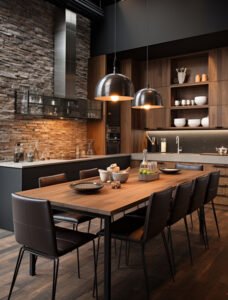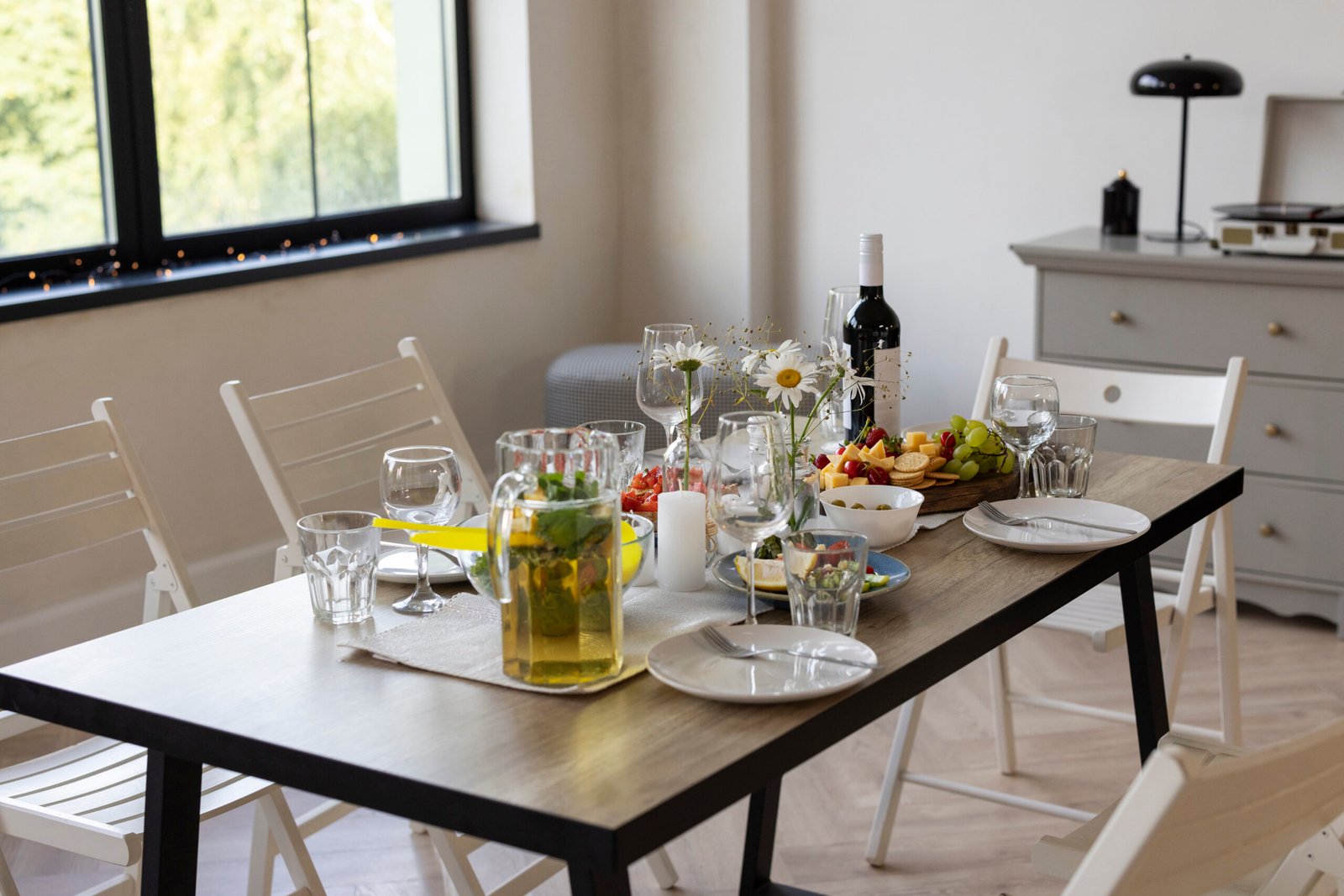
H2 Introduction to kitchen table vs dining table and user search intent for space, seating, and functionality differences
When people search for what is the difference between a kitchen table and a dining table, they are usually trying to choose the right furniture for their home. The main things they want to understand are space, comfort, seating size, and how each table is used in daily life. Some people live in small homes and need a simple eating area, while others want a more formal place for family meals and guests. This topic is important because the right table can change how comfortable and useful your home feels every day.
In modern homes, especially in 2026 interior design trends, furniture is becoming more flexible and space-saving. Many homes now combine kitchen and dining areas, so understanding the difference between these two tables helps people make smarter choices.
H2 Defining a kitchen table in modern home furniture context, compact dining solutions, and everyday casual eating setups
A kitchen table is usually a simple and practical table placed inside or near the kitchen. It is mainly used for quick meals, breakfast, or casual family eating. It is designed for everyday use and does not focus on formal dining.
In many homes, a kitchen table is smaller and fits into tight spaces. It is common in apartments or houses where the kitchen is the main eating area. The design is often simple, and the goal is convenience. People may also use it for homework, small tasks, or even casual conversations.
A kitchen table represents comfort and daily living rather than formal style. It is part of a busy home environment where meals are quick and flexible.
H2 Defining a dining table in formal dining room furniture design, hosting capacity, and structured meal experiences
A dining table is usually placed in a separate dining room or a dedicated dining space. It is designed for formal meals, family gatherings, and hosting guests. It often has a more elegant and structured design compared to a kitchen table.
Dining tables are larger and built to seat more people comfortably. They are often used for special occasions, holiday meals, or dinner parties. In many homes, the dining table becomes a central piece of furniture that represents family gatherings and social events.
The design of a dining table focuses on style, presentation, and comfort for longer meals. It is not just for eating but also for creating a shared experience.
H2 Key differences between kitchen tables and dining tables based on size, seating capacity, and spatial efficiency
One of the biggest differences between these tables is size. A kitchen table is usually smaller and designed to fit in limited space. A dining table is larger and needs a dedicated area.
Seating capacity is another important difference. Kitchen tables often seat two to four people, while dining tables can seat six or more depending on the design. This makes dining tables better for families or gatherings.
Spatial efficiency also matters. Kitchen tables are made to save space and blend into everyday kitchen use. Dining tables require more room and are placed where movement is not restricted. This difference helps people decide based on the size of their home and how they plan to use the space.
H2 Height differences and ergonomic standards in kitchen tables versus dining tables including 2026 furniture design norms
In most cases, kitchen tables and dining tables have similar height ranges, but there are small differences in design focus. Kitchen tables may sometimes be slightly lower or more varied in height depending on the style and space.
Dining tables follow more standard ergonomic rules to ensure comfort during longer meals. In 2026 furniture design trends, there is a stronger focus on posture, chair height matching, and comfort during extended sitting.
Ergonomics means how comfortable the table feels for your body. A well-designed dining table supports better sitting posture for longer periods, while a kitchen table focuses more on short-term convenience.
H2 Material and durability comparison including wood, glass, metal, engineered surfaces, and stain-resistant finishes for daily use
Kitchen tables are often made from strong and easy-to-clean materials because they are used frequently. Common materials include engineered wood, metal frames, and stain-resistant surfaces. These materials are chosen because spills and daily messes are common in kitchen areas.
Dining tables may use higher-quality wood, glass, or polished finishes. They are designed to look more elegant while still being durable. However, they may require