Understanding Minimalist Interior Design for Small Spaces
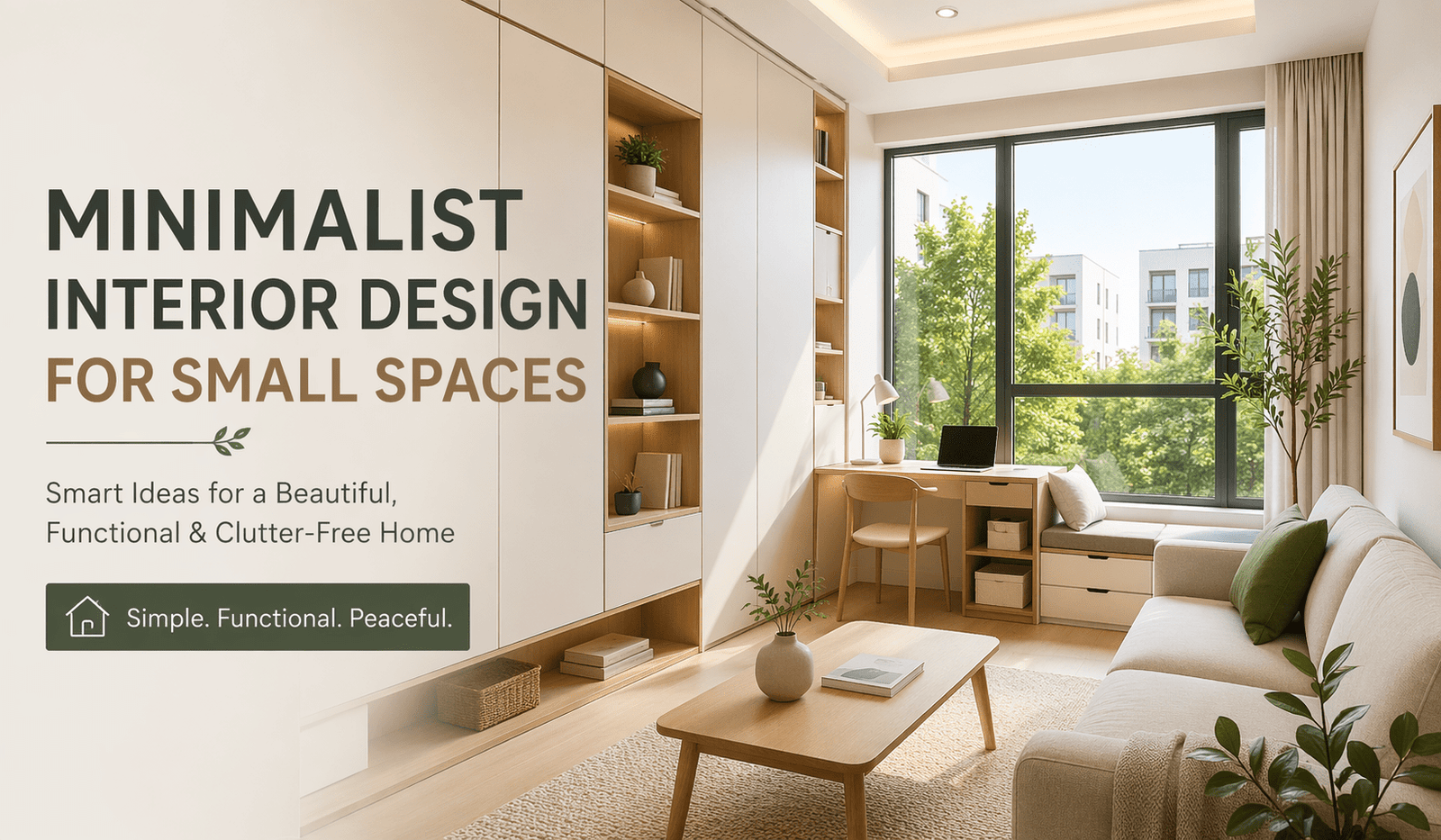
Minimalist interior design for small spaces is a simple way of decorating and arranging your home so it feels open, calm, and easy to live in. It focuses on using only what is truly needed and removing anything that makes the space feel crowded or messy. This design style is especially helpful in small homes, studio apartments, and modern city living where every inch of space matters.
When people search for minimalist interior design for small spaces safe for windows, they are often looking for ideas that not only make their home look clean and modern but also feel safe, bright, and comfortable near window areas. Windows play an important role in small spaces because they bring in natural light, improve mood, and make rooms feel bigger. A good minimalist design makes sure windows stay open, uncluttered, and safe while still looking stylish.
In simple terms, this design style is about creating balance. You keep only the furniture and items you really need, and you design your home in a way that feels light, airy, and easy to move around in. This helps reduce stress and makes daily life more organized and peaceful.
Core Principles of Minimalist Living in Compact Homes
The main idea behind minimalist interior design for small spaces is “less is more.” This means you do not fill your room with extra furniture or decorations. Instead, you carefully choose items that have a clear purpose. Every object in the room should either be useful or meaningful.
Another important principle is functional zoning. This means dividing your space in a smart way so that one area can serve more than one purpose. For example, your living room might also be your study area or dining space. This approach is very helpful in small homes where space is limited.
Clean lines and simple shapes are also key parts of this design style. Furniture and decor are often straight, smooth, and easy on the eyes. Soft and neutral colors like white, beige, and light grey help create a feeling of openness. These colors also reflect natural light better, which makes the room feel brighter and larger.
Decluttering systems are another important part of minimalist living. This means regularly removing items you no longer use and keeping your space organized. When your home is free from unnecessary things, it becomes easier to relax and focus.
Smart Space Planning and Layout Optimization Techniques
Good space planning is the heart of minimalist interior design for small spaces. Without proper planning, even a small number of items can make a room feel crowded. That is why smart layout design is so important.
In modern 2026 home design, people often use AI-assisted space planning tools and 3D room visualization apps. These tools help you see how your room will look before you place any furniture. Augmented reality design apps also allow you to test different layouts using your phone, making it easier to avoid mistakes.
Instead of using walls or heavy partitions, minimalist homes often use visual zoning. This means you divide space using rugs, lighting, or furniture placement instead of physical barriers. This keeps the room open while still creating different functional areas.
When planning layouts, it is also important to keep pathways clear. A well-designed small space allows easy movement without obstacles. This makes the home feel more comfortable and less crowded.
Furniture Selection for Maximum Functionality and Storage Efficiency
Furniture plays a very important role in minimalist interior design for small spaces. Since space is limited, every piece of furniture should serve more than one purpose.
Multifunctional furniture is a smart choice. Sofa beds can turn a living room into a sleeping area. Foldable dining tables can be stored when not in use. Wall-mounted desks help save floor space while still giving you a proper work area. These smart choices help keep the room flexible and practical.
Modular furniture systems are also becoming very popular. These systems can be rearranged based on your needs. Hidden storage designs are another great option because they allow you to store items without making the room look cluttered.
Compact home furnishing trends in 2026 focus on simplicity and smart storage. Instead of large bulky furniture, people now prefer slim, lightweight, and functional designs that fit well into small spaces.
Color Psychology and Minimalist Aesthetic Choices
Color plays a powerful role in how a small space feels. In minimalist interior design for small spaces, light and neutral colors are often used to make rooms feel larger and brighter.
Colors like white, soft grey, beige, and light pastels help reflect natural light. This makes the space feel open and airy. Dark colors are usually used only in small amounts for contrast or accent details.
Design styles like Scandinavian minimalism and Japandi design are very popular because they focus on calm, natural, and balanced looks. These styles mix simplicity with warmth, making homes feel both modern and comfortable.
Accent colors can still be used, but they should be kept subtle. A small plant, a soft cushion, or a simple wall art piece can add personality without making the room feel busy.
Lighting Strategies for Expanding Small Interior Spaces
Lighting is one of the most important parts of making a small space feel bigger. Natural light should always be used as much as possible. This is where window design becomes important. In minimalist interior design for small spaces safe for windows, keeping window areas clear and open allows sunlight to enter freely and brighten the room naturally.
Layered lighting is also very effective. This includes ambient lighting for overall brightness, task lighting for specific activities, and accent lighting for decoration. Together, they create a balanced and comfortable environment.
Smart lighting systems are widely used in 2026 homes. These systems allow you to control brightness and color using your phone or voice. LED lighting is also popular because it is energy-efficient and long-lasting.
Proper lighting not only improves visibility but also changes how big or small a room feels. Bright and well-lit spaces always feel more open and welcoming.
Smart Storage Solutions and Clutter Management Systems
Storage is one of the biggest challenges in small homes. That is why smart storage solutions are essential in minimalist interior design for small spaces.
Vertical storage helps you use wall space instead of floor space. Shelves, wall cabinets, and hanging organizers are great examples. Under-bed storage is another useful option for keeping seasonal items or less-used belongings.
Hidden storage systems are very effective in maintaining a clean look. These can include furniture with built-in drawers or storage spaces that are not visible from the outside.
Along with physical storage, digital decluttering is also important in modern minimalist living. Keeping digital files organized reduces mental stress and helps maintain a more focused lifestyle.
Sustainable and Eco-Friendly Minimalist Design Trends in 2026
Sustainability is now a big part of modern design. Minimalist interior design for small spaces often uses eco-friendly materials like bamboo, recycled wood, and natural fabrics.
Energy-efficient appliances help reduce electricity use and support long-term savings. Indoor plants are also commonly used because they improve air quality and add a natural touch to the home.
Biophilic design, which connects indoor spaces with nature, is becoming more popular. It helps create a peaceful environment that supports mental well-being and relaxation.
Technology Integration in Minimalist Small Space Design
Technology is making minimalist homes smarter and more efficient. Smart home systems allow you to control lighting, temperature, and security from one device.
Compact smart appliances save space while still providing full functionality. Hidden tech installations keep devices out of sight, helping maintain a clean and simple look.
AI tools are also helping people design better spaces by suggesting layouts and furniture arrangements based on room size and needs. This makes minimalist interior design for small spaces easier and more accurate than ever before.
Common Mistakes to Avoid in Minimalist Interior Design for Small Spaces
One common mistake is over-decorating. Adding too many items can quickly make a small space feel crowded. Another mistake is choosing furniture that is too large for the room, which reduces movement and comfort.
Ignoring storage needs is also a problem. Without proper storage, clutter builds up quickly and breaks the minimalist look. Using too many colors or patterns can also disturb the calm and balanced feel of the space.
The key is to always focus on balance. A minimalist home should feel simple, but also warm, functional, and comfortable.
Final Thoughts on Creating a Functional Minimalist Living Space
Minimalist interior design for small spaces is more than just a design trend. It is a lifestyle that helps people live in a more organized, peaceful, and meaningful way. By focusing on simplicity, smart planning, and functional design, even the smallest home can feel open and comfortable.
When you combine modern technology, sustainable materials, and thoughtful window-safe design choices, you create a space that supports both comfort and well-being. In 2026 and beyond, minimalism continues to be one of the best ways to make small homes feel larger, brighter, and more enjoyable to live in.