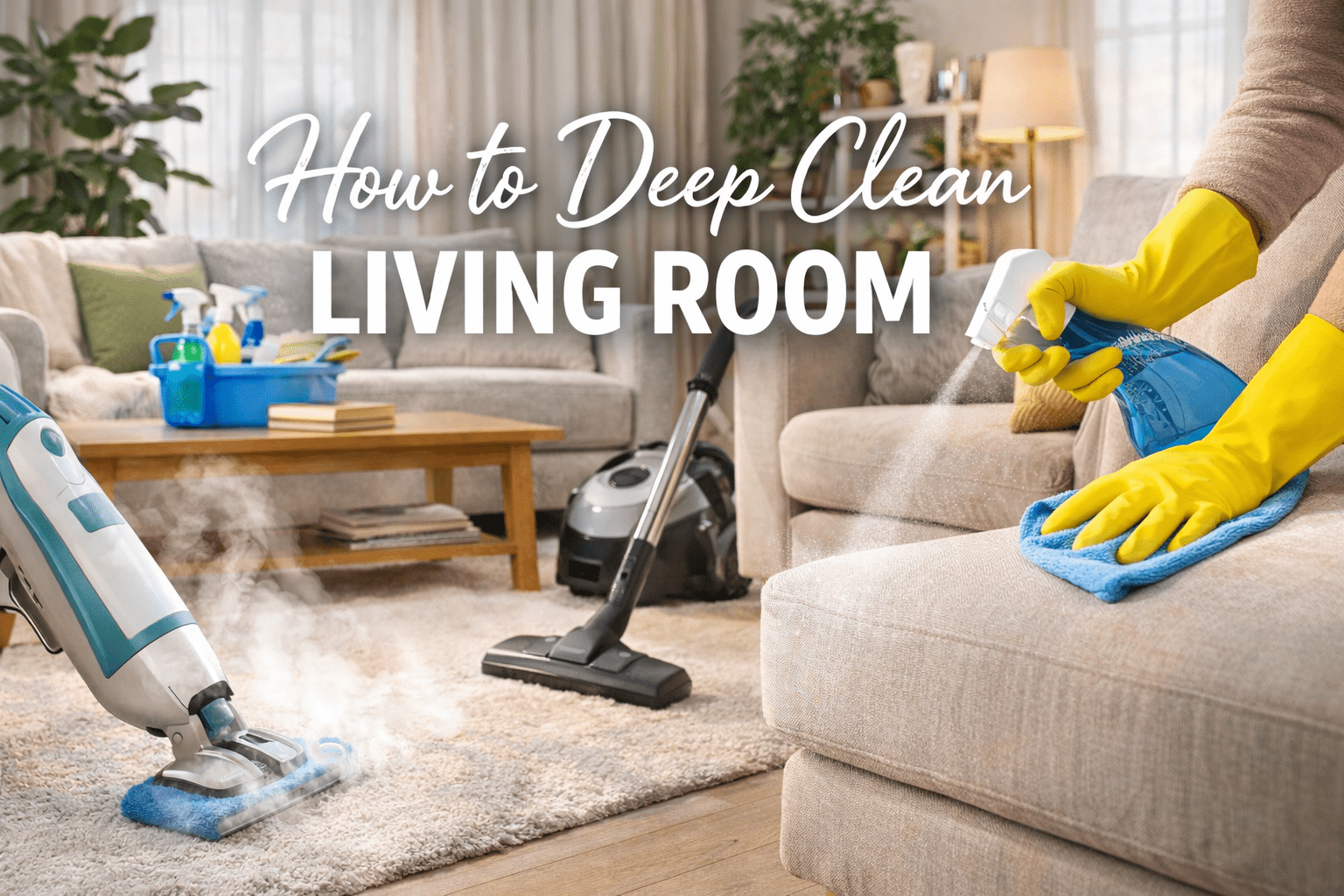
Introduction to Deep Cleaning a Living Room
Learning how to deep clean living room spaces can make a big difference in how your home looks and feels. Deep cleaning is not the same as regular cleaning. It goes further by removing hidden dust, dirt, and bacteria that build up over time. While daily cleaning keeps things tidy, deep cleaning helps you reach areas that are often missed.
A good home deep cleaning guide helps you understand what to expect. It may take more time and effort, but the results are worth it. Your living room will feel fresher, cleaner, and more comfortable. With the right deep cleaning living room tips, you can make the process simple and effective.
Why Deep Cleaning Your Living Room Is Important
Deep cleaning your living room improves your health and comfort. Dust and allergens can collect in furniture, carpets, and corners. These can cause breathing problems and allergies. When you remove them, you improve indoor air quality and create a healthier space.
Deep cleaning also helps with germ elimination. High-use areas can carry bacteria that regular cleaning may miss. By cleaning deeply, you protect your family and keep your home hygienic. It also helps your furniture last longer by removing dirt that can damage surfaces over time.
When and How Often You Should Deep Clean Your Living Room
Knowing when to deep clean is important. Most homes need deep cleaning every few months. If you have pets or children, you may need to do it more often. A seasonal deep cleaning routine works well for many people.
A regular home maintenance routine makes cleaning easier. When you stay consistent, dirt does not build up as much. This saves time and effort in the long run. Planning your cleaning based on your lifestyle helps you stay organized.
Essential Tools and Supplies for Deep Cleaning
Using the right tools makes deep cleaning easier and safer. A vacuum cleaner with a HEPA filter helps remove fine dust and allergens from carpets and furniture. Steam cleaners are useful for deep cleaning surfaces without harsh chemicals.
Microfiber cloths are great for dusting because they trap dirt instead of spreading it. Safe disinfectants help kill germs without damaging surfaces. Many people now choose eco-friendly cleaning supplies because they are better for health and the environment. These tools are important for a complete home sanitation process.
Preparing Your Living Room for Deep Cleaning
Before you start, it is important to prepare your living room. Move furniture to create space and unplug electronic items for safety. Open windows to allow fresh air inside. This helps reduce dust and keeps the room ventilated.
Preparing your space also makes cleaning faster. When everything is ready, you can focus on the cleaning process without interruptions. A well-prepared room makes the deep cleaning task smoother and more effective.
Decluttering and Organizing Before Deep Cleaning
Decluttering is the first step in deep cleaning. Remove items that do not belong in the living room. Organize books, decorations, and other items in their proper place. This creates more space and makes cleaning easier.
Good storage solutions help keep your living room neat. When you reduce clutter, you also reduce dust buildup. A simple and organized space is easier to clean and maintain over time.
Step-by-Step Process on How to Deep Clean Living Room
The best way to deep clean is to follow a clear process. Start from the top and move down. Clean ceilings, fans, and high shelves first so dust does not fall on clean areas later. Then move to furniture and finish with floors.
This room cleaning process ensures that no area is missed. A thorough cleaning method helps you save time and get better results. When you follow a proper order, deep cleaning becomes more efficient.
Deep Dusting and Cleaning All Surfaces
Dust can settle on many surfaces, including walls, shelves, and baseboards. Deep dusting helps remove this buildup. Use a microfiber cloth or a soft brush to clean these areas carefully.
Surface sanitization is also important. Wiping surfaces with safe cleaning solutions helps remove germs and dirt. This step improves air quality and keeps your living room fresh and clean.
Deep Cleaning Upholstery, Sofas, and Cushions
Sofas and cushions can hold dust, stains, and odors. Deep cleaning upholstery helps restore their look and comfort. Vacuuming removes dirt, while special cleaners help remove stains.
For fabric furniture, use gentle cleaning methods to avoid damage. Leather furniture needs soft cleaning and proper care products. These upholstery deep cleaning methods help keep your furniture in good condition for a long time.
Carpet and Rug Deep Cleaning Techniques
Carpets and rugs collect a lot of dirt over time. Regular vacuuming is not enough for deep cleaning. Using a carpet cleaner or steam cleaner helps remove deep dirt and allergens.
Proper rug maintenance also includes treating stains carefully. Deep cleaning carpets improves the look of your living room and makes it healthier. Clean carpets also feel softer and more comfortable.
Cleaning and Polishing Hard Floors
Hard floors like tile, wood, and laminate need special care. Sweeping removes loose dirt, while mopping helps clean deeper stains. Using the right amount of water is important, especially for wooden floors.
Polishing floors can restore their shine and make them look new. Good floor care keeps your living room looking clean and well-maintained.
Cleaning Windows, Curtains, and Blinds Thoroughly
Windows can collect dust and smudges that block light. Cleaning them properly makes your living room brighter. Use a gentle cleaner to avoid streaks on glass surfaces.
Curtains and blinds also need attention. Washing curtains and wiping blinds removes dust and improves air quality. Clean windows and fabrics make your living room feel fresh and open.
Sanitizing High-Touch and Hidden Areas
Some areas are often missed during cleaning. These include remote controls, switches, door handles, and spaces behind furniture. These spots can hold germs and dust.
Disinfecting high-touch surfaces helps create a cleaner and safer home. Paying attention to hidden areas ensures a complete deep cleaning process.
Removing Odors and Improving Air Quality
Bad odors can stay in a room even after cleaning. Deep cleaning helps remove the source of these smells. Opening windows allows fresh air to enter and improves ventilation.
Natural methods like baking soda can help absorb odors. These simple steps improve home air quality and make your living room feel more pleasant.
Eco-Friendly Deep Cleaning Methods
Many people prefer eco-friendly cleaning methods today. These use natural ingredients that are safe and effective. Vinegar, baking soda, and lemon are common options.
Non-toxic cleaning solutions protect your health and the environment. Green cleaning methods are a smart choice for safe and sustainable home care.
Common Mistakes to Avoid During Deep Cleaning
Some mistakes can reduce the effectiveness of deep cleaning. Using harsh chemicals can damage surfaces and harm your health. Skipping hidden areas can leave dirt behind.
Understanding proper cleaning methods helps you avoid these problems. Taking your time and using the right approach gives better results.
Maintaining Cleanliness After Deep Cleaning
After you deep clean, it is important to maintain the results. Simple daily cleaning habits can keep your living room neat. Putting items back in place and cleaning small messes quickly helps a lot.
A regular routine prevents dirt from building up again. This makes future cleaning easier and faster. Good maintenance keeps your living room looking fresh for a long time.
Time-Saving Tips for Faster Deep Cleaning
Deep cleaning can take time, but smart planning can make it faster. Cleaning one area at a time helps you stay focused. Preparing tools in advance also saves time.
Efficient home cleaning methods allow you to complete tasks without stress. When you follow a clear plan, deep cleaning becomes easier and more manageable.
Conclusion
Learning how to deep clean living room spaces is an important step in keeping your home healthy and comfortable. Deep cleaning removes hidden dirt, improves air quality, and makes your living space more enjoyable.
By using the right tools, following a proper cleaning process, and building simple habits, you can keep your living room in great condition. With regular care and attention, your home will always feel clean, fresh, and welcoming.