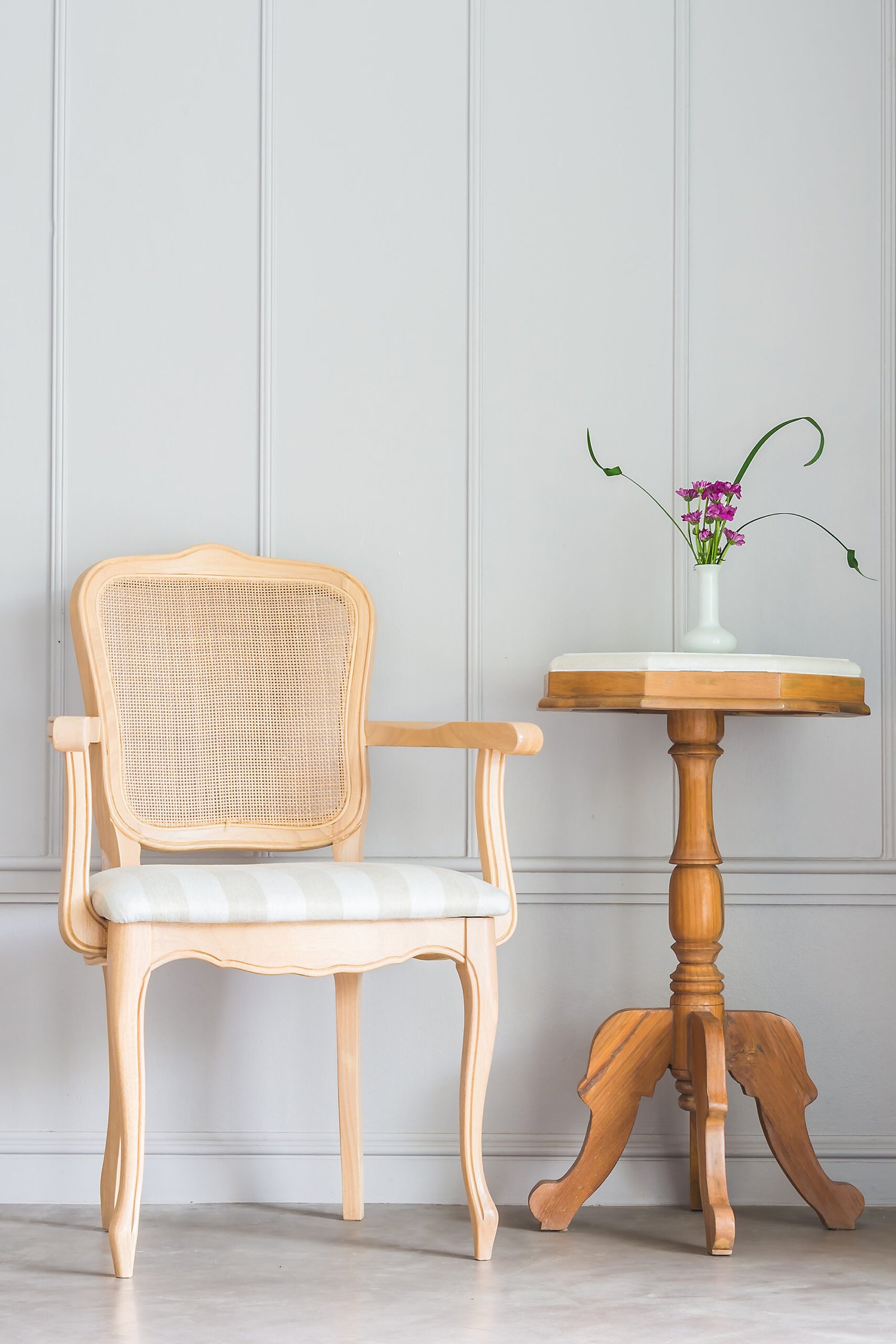
Introduction to recovering dining room chair seats
Learning how to recover dining room chair seats is a simple way to give old furniture a fresh new look. Many people think they need to buy new chairs when the seats wear out, but that is not always true. Recovering a dining chair means replacing the old fabric and padding with new materials. This makes the chair look better and feel more comfortable again.
This guide is perfect for beginners and anyone who enjoys DIY home improvement projects. You do not need special skills to start. With basic tools and a little patience, you can complete this project at home.
In this article, you will learn everything you need to know about dining chair seat recovery. You will understand the tools, materials, and simple steps involved. By the end, you will feel confident enough to try it yourself.
Why recovering chair seats is worth it
Recovering dining chair seats is a smart choice for many reasons. It helps you save money because buying new chairs can be expensive. Instead of replacing your furniture, you can give it a new life at a much lower cost.
Another big benefit is that it extends the life of your chairs. When you replace worn fabric and padding, your chairs become comfortable again and last longer. You can also choose your own fabric, which lets you match your dining room style or update your home decor.
There are also environmental benefits. Reusing furniture reduces waste and helps protect the environment. Instead of throwing away old chairs, you make them useful again.
Some common signs that your dining chair needs recovering include torn fabric, faded colors, sagging foam, or loose support. When you notice these issues, it is a good time to start a DIY furniture repair project.
Tools and materials needed for chair seat recovery
To recover a dining chair seat, you need a few basic upholstery tools. A staple gun is one of the most important tools because it helps attach the fabric securely. You will also need a screwdriver to remove the seat, pliers to pull out old staples, and scissors to cut fabric.
The right materials are just as important. Upholstery fabric is the main material and should be strong and durable. Foam padding is used to make the seat comfortable, while batting adds a smooth layer over the foam. A dust cover fabric is placed under the seat to give it a clean finish.
If you want a more professional look, you can also use upgrades like webbing for support, tack strips for clean edges, and decorative trims. These small details can make your DIY chair reupholstery look like expert work.
Choosing the right upholstery fabric
Selecting the best fabric for your dining chair is very important. There are many options, such as cotton, linen, leather, and synthetic blends. Each type has its own look and feel.
Durability is one of the most important factors to consider. Dining chairs are used often, so the fabric should be strong and long-lasting. Stain-resistant materials are also a good choice, especially if you have kids or pets.
Color and pattern also matter. You should choose a fabric that matches your dining room decor. Light colors look clean and fresh, while darker colors can hide stains better.
A durable upholstery fabric that is easy to clean will give you the best results. This helps your dining chair stay in good condition for a long time.
Understanding different chair seat types
Before starting your project, it is important to understand the type of dining chair you have. Some chairs have drop-in seats, which can be easily removed. Others have fully upholstered seats that are attached to the frame.
There are also differences in seat construction. Some chairs have a simple wood base, while others use springs for extra support. A wood base is easier to work with and is common in many dining chairs.
Knowing your chair seat base helps you choose the right method and materials. This step makes the recovery process smoother and helps you avoid mistakes.
Preparing the chair for recovering
Preparation is an important part of recovering dining room chair seats. First, you need to remove the seat from the chair frame. This is usually done by unscrewing it from the bottom.
Next, you remove the old upholstery. Use pliers to pull out staples and take off the old fabric and padding. This step may take some time, but it is important to clean the surface properly.
Once the old materials are removed, check the chair for damage. If you see cracks or loose parts, fix them before adding new fabric. Cleaning the base also helps the new materials stick better.
This step ensures your chair is ready for a smooth and strong upholstery finish.
Measuring and cutting new fabric and foam
Accurate measurement is key to a successful result. Measure the seat carefully so you know how much fabric and foam you need. Always add extra space around the edges to allow for folding and stapling.
When cutting fabric, make sure it is straight and even. This helps avoid wrinkles and uneven edges later. Foam padding should match the size of the seat but should not be too thick or too thin.
Choosing the right foam thickness is important for comfort. A medium thickness usually works best for dining chairs. It provides support without making the seat too hard or too soft.
Careful cutting and measuring make the next steps much easier.
Step-by-step process to recover dining room chair seats
Start by placing the new foam on the seat base. Then add a layer of batting to create a smooth surface. This helps the fabric look neat when it is attached.
Place the fabric over the seat and make sure it is centered. If the fabric has a pattern, align it properly before stapling. Begin stapling from one side and move to the opposite side, pulling the fabric tight as you go.
Continue this process around the seat, making sure the fabric stays smooth. Fold the corners neatly so they look clean and professional. Avoid bunching or wrinkles in the fabric.
Once the fabric is secured, reattach the seat to the chair frame using screws. Make sure everything is tight and stable.
This simple process shows that DIY chair reupholstery can be done at home with great results.
Tips for achieving a professional finish
To get a professional look, pay attention to small details. Make sure the fabric is tight but not overstretched. Even tension across all sides creates a smooth surface.
Adding a dust cover to the underside of the chair makes it look clean and finished. This also protects the inside materials from dust.
You can also add decorative touches like piping or nailhead trim. These features give your dining chair a stylish and polished look.
Taking your time and focusing on these details will improve your final result.
Common mistakes to avoid during chair seat recovery
Many beginners make simple mistakes that can affect the final look. One common issue is stretching the fabric too much or not enough. This can lead to wrinkles or loose areas.
Using low-quality materials can also cause problems. Cheap foam may lose shape quickly, and weak fabric may tear easily. It is better to choose good-quality materials for long-lasting results.
Misaligned patterns and uneven stapling can make the chair look unprofessional. It is important to check your work as you go.
Ignoring structural problems in the chair frame can also lead to issues later. Always fix these before adding new upholstery.
Avoiding these mistakes helps you achieve a better and more durable finish.
Maintenance and care after recovering chair seats
After recovering your dining chair, proper care is important. Clean the fabric regularly to keep it looking fresh. Use gentle cleaning methods that match the type of fabric.
Protect the chair from spills and stains by acting quickly when accidents happen. Using stain-resistant fabric can also help.
Over time, check the seat to make sure it is still tight and secure. If needed, you can re-tighten the screws or adjust the fabric.
Good maintenance helps your dining chair stay in great condition for years.
Cost comparison: DIY vs professional upholstery
Recovering dining chair seats at home is usually more affordable than hiring a professional. The main cost comes from materials like fabric, foam, and tools.
Professional upholstery services can be expensive, especially if you have many chairs. However, they may be a better option for complex designs or valuable furniture.
DIY is a good choice if you want to save money and enjoy learning new skills. It also gives you full control over the design and materials.
Choosing between DIY and professional work depends on your budget, time, and comfort level.
Frequently asked questions about recovering dining room chair seats
Many people wonder how long it takes to recover a chair seat. For beginners, it may take a few hours, but it becomes faster with practice.
Another common question is whether beginners can do this project. The answer is yes. With simple tools and clear steps, anyone can learn how to recover dining room chair seats.
People also ask about foam thickness. A medium thickness is usually best for comfort and support.
Some users want to know how often they should reupholster their chairs. This depends on use, but many chairs need recovering every few years.
Conclusion
Recovering dining room chair seats is a simple and useful DIY project. It helps save money, improves comfort, and gives your furniture a fresh look. Instead of replacing old chairs, you can restore them with new fabric and padding.
This process is easy to learn and does not require special skills. With the right tools and materials, you can achieve great results at home.
By practicing and paying attention to details, you can improve your skills over time. Taking care of your furniture will help it last longer and keep your home looking beautiful.