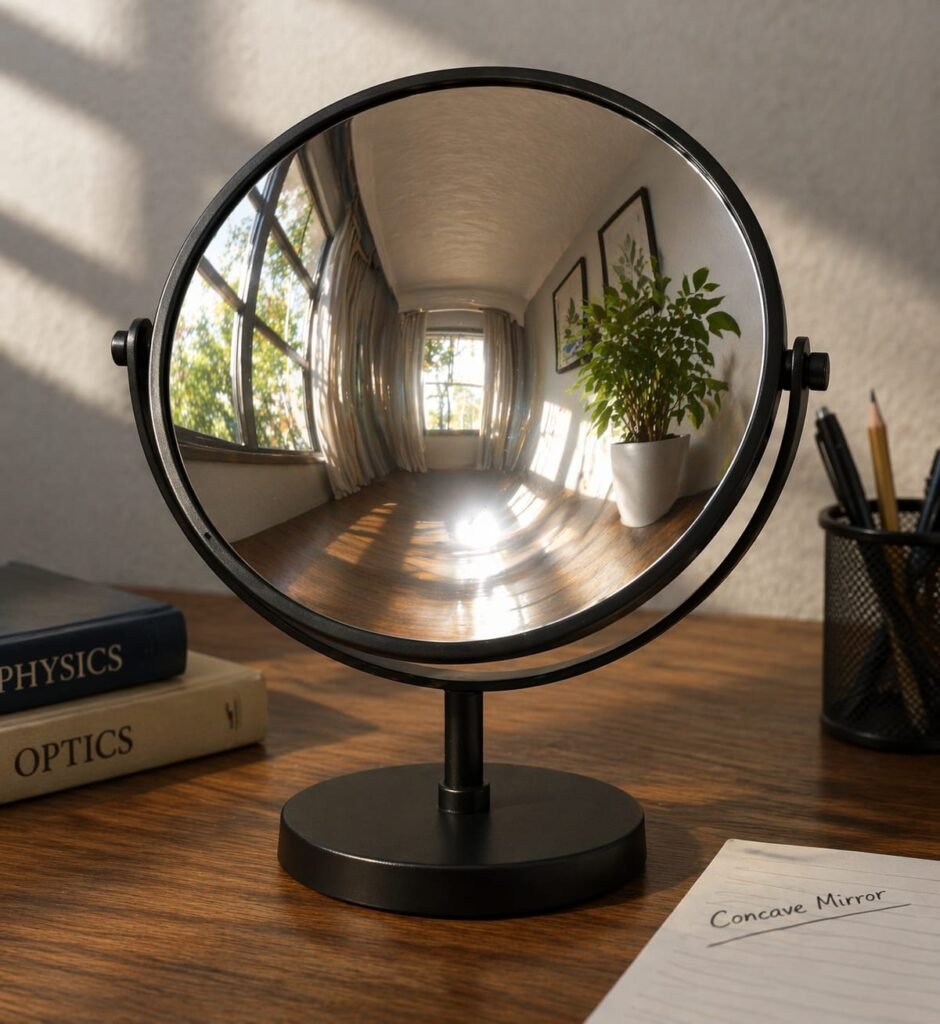
Introduction to Concave Mirrors
Concave mirrors are mirrors that curve inward. They are like the inside of a spoon. Concave mirrors are important in science and in our lives. Many people use concave mirrors. Do not even know it. These mirrors can make things look bigger or brighter.
Concave mirrors are used in things like telescopes and microscopes. When people look for concave mirrors they often want to know how they work and where they are used. Understanding concave mirrors can help us understand things around us.
What Concave Mirrors Are and How They Work
A concave mirror is a mirror that curves inward. This curve makes light rays come together at one point. This point is called the point. Because of this curve concave mirrors can focus light. Make things look bigger.
The way a concave mirror works depends on where you put an object in front of it. Sometimes the object looks bigger. Sometimes it looks down. This happens because of the way light reflects off the mirror.
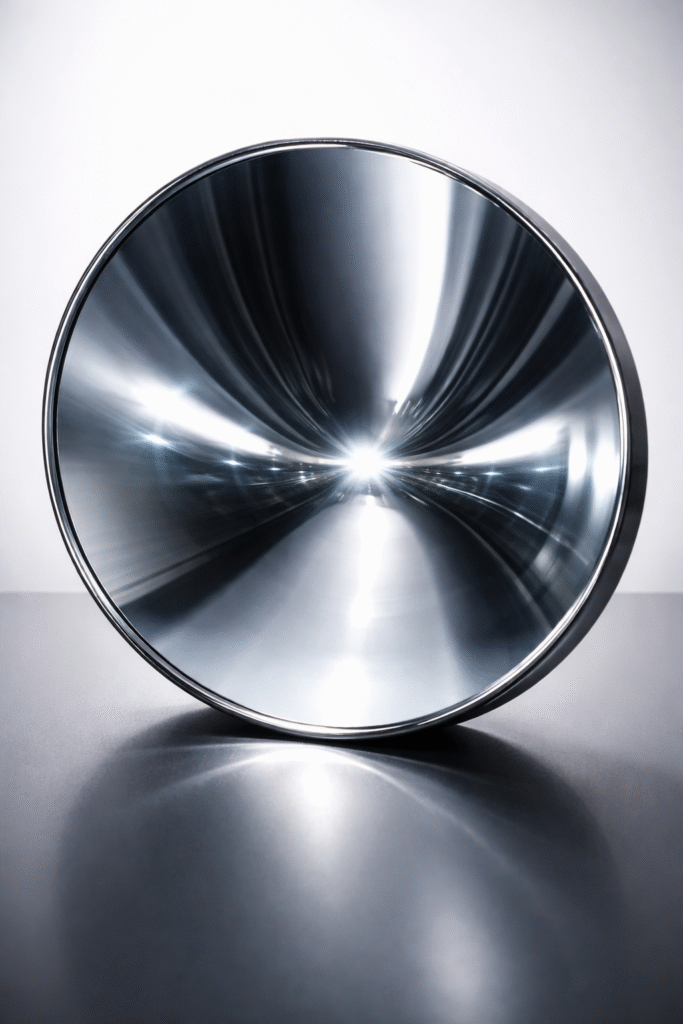
Concave Mirror. Reflective Properties
The curve of a concave mirror is what makes it special. It does not reflect light like a mirror. Instead it bends rays inward. This helps concentrate light. That is why concave mirrors are used when we need light.
Real Image and Virtual Image Formation in Concave Mirrors
Concave mirrors ake two kinds of images. A real image is one that we can see on a screen. A virtual image is one that we can see but cannot touch. Virtual images look upright. Can look bigger.
Focal Point and Principal Axis
There are a few things to know about concave mirrors. The focal point is where light rays come together. The principal axis is a line that runs through the center of the mirror. These things help us understand how concave mirrors work.
Concave Mirror Ray Diagram Basics
Ray diagrams are pictures that show how light rays reflect off a concave mirror. They help us understand how images are made. Ray diagrams are important for learning about concave mirrors.
How Light Reflection Works in Concave Mirrors
Light reflects off a concave mirror in a way. The angle of the ray that hits the mirror is the same as the angle of the light ray that reflects off. This is called the law of reflection.
Difference Between Concave Mirrors and Convex Mirrors
Concave mirrors curve inward. Convex mirrors curve outward. This difference changes how they reflect light. Concave mirrors can focus light. Make things look bigger. Convex mirrors spread light out. Make things look smaller.
Types of Concave Mirrors
Concave mirrors come in sizes and shapes. Some are small. Used for personal things. Others are big. Used for telescopes. The type of concave mirror we use depends on what we need it for.
Common Uses of Concave Mirrors
Concave mirrors are used in things. They are used in headlights, telescopes and dental tools. They are also used in panels to focus sunlight.
Concave Mirrors in Vehicle Headlights and Flashlights
Concave mirrors are used in headlights and flashlights to reflect light. This makes the light stronger. Helps it travel farther.
Concave Mirrors in Reflecting Telescopes
Concave mirrors are used in telescopes to collect light from away. The mirror focuses the light so we can see it clearly.
Concave Mirrors in Dental Mirrors and Medical Equipment
Dentists use concave mirrors to see teeth clearly. The mirror makes the teeth look bigger which helps the dentist see what they are doing.
Concave Mirrors in Solar Furnaces
Solar furnaces use concave mirrors to focus sunlight into one point. This creates a lot of heat, which is used for research and experiments.
Magnification and Image Distance in Concave Mirrors
Magnification is how much bigger or smaller something looks. Image distance is how far the image is from the mirror. These things depend on where we put the object in front of the mirror.
Mirror Formula and Focal Length
The mirror formula helps us calculate how far the object and image are from the mirror. Focal length is how strongly the mirror focuses light. This is important for understanding how concave mirrors work.
Concave Mirrors in Physics and Modern Optical Technology
Concave mirrors are still important today. They are used in imaging and research systems. Physics helps us design concave mirrors with better coatings and materials.
Advantages and Limitations of Concave Mirrors
Concave mirrors have advantages. They can make things look bigger and focus light.. They also have limits. The image can change depending on the distance, which can be confusing.
How to Choose the Right Concave Mirror
Choosing the concave mirror depends on what we need it for. We need to think about the length, size and material. Understanding these things helps us make a choice.
Common Problems and Misconceptions About Concave Mirrors
Some people think concave mirrors always make things look bigger.. That is not true. The image depends on the distance. Another common mistake is thinking all concave mirrors work the way.. They do not.
Safety and Care Tips for Concave Mirrors
Concave mirrors need to be handled. We should clean them gently. Store them properly. This helps keep them in condition.
Conclusion and Key Facts About Concave Mirrors
Concave mirrors are tools. They focus light. Make things look bigger. They are used in things from headlights, to telescopes. Understanding concave mirrors helps us understand things around us.