Understanding what “decorating your home” really means in 2026
When learning how to start decorating your home, it is important to understand what decorating really means today. Many people confuse interior design, home styling, and decorating, but they are slightly different. Interior design often involves planning layouts, structure, and functionality. Home styling focuses on how a space looks and feels. Decorating is the process of adding furniture, colors, and accessories to make your home comfortable and attractive.
In 2026, home decor is no longer about copying trends. It is about creating a space that feels personal, useful, and lived-in. People now prefer homes that match their lifestyle instead of perfect showroom spaces. This shift has made home styling basics, interior decor ideas, and beginner decorating guides more focused on real-life comfort and modern home aesthetics.
Identifying your purpose, lifestyle, and space needs before decorating
Before you begin decorating, you need to think about how you use your space every day. A home should match your daily habits, whether you work from home, have kids, or enjoy relaxing spaces. Each room should have a clear purpose, which helps guide your decor choices.
Modern homes often use space planning and functional home layout ideas to make the most of every area. For example, one room can serve as both a workspace and a relaxation zone. This idea of room purpose design helps you avoid clutter and makes your home more practical and comfortable.
Decluttering and starting with a clean foundation
One of the most important steps in how to start decorating your home is decluttering. A clean and organized space makes decorating easier and more effective. When your home is full of unnecessary items, it becomes hard to see what you really need.
Start by sorting your belongings and removing items you no longer use. Simple home organization tips like grouping similar items and creating storage areas can make a big difference. Declutter before decorating so you can focus on creating a fresh and calm environment that supports minimalist living.
Creating a realistic decorating plan and budget
A good decorating plan helps you stay focused and avoid wasting money. Instead of trying to decorate your entire home at once, it is better to work on one room at a time. This makes the process easier and less stressful.
Home decor budget planning is also very important. Set a clear budget and decide where to spend more, such as on key furniture pieces. Look for affordable decorating ideas and cost-effective home styling solutions to stay within your budget. Avoid impulse buying, as it can lead to clutter and mismatched decor.
Choosing your interior design style and theme
Choosing a style is a big part of how to start decorating your home. Your style should reflect your personality and what makes you feel comfortable. Popular home decor styles include modern, minimalist, bohemian, and contemporary looks.
You do not have to stick to one style only. Many people create unique spaces by blending different interior themes. The key is to keep a sense of balance so your home looks connected and not messy. Exploring aesthetic home ideas can help you find what works best for you.
Selecting a cohesive color palette for your home
Colors play a powerful role in how your home feels. A good color scheme can make a space feel calm, bright, or cozy. When choosing colors, think about how they affect your mood and how they look together.
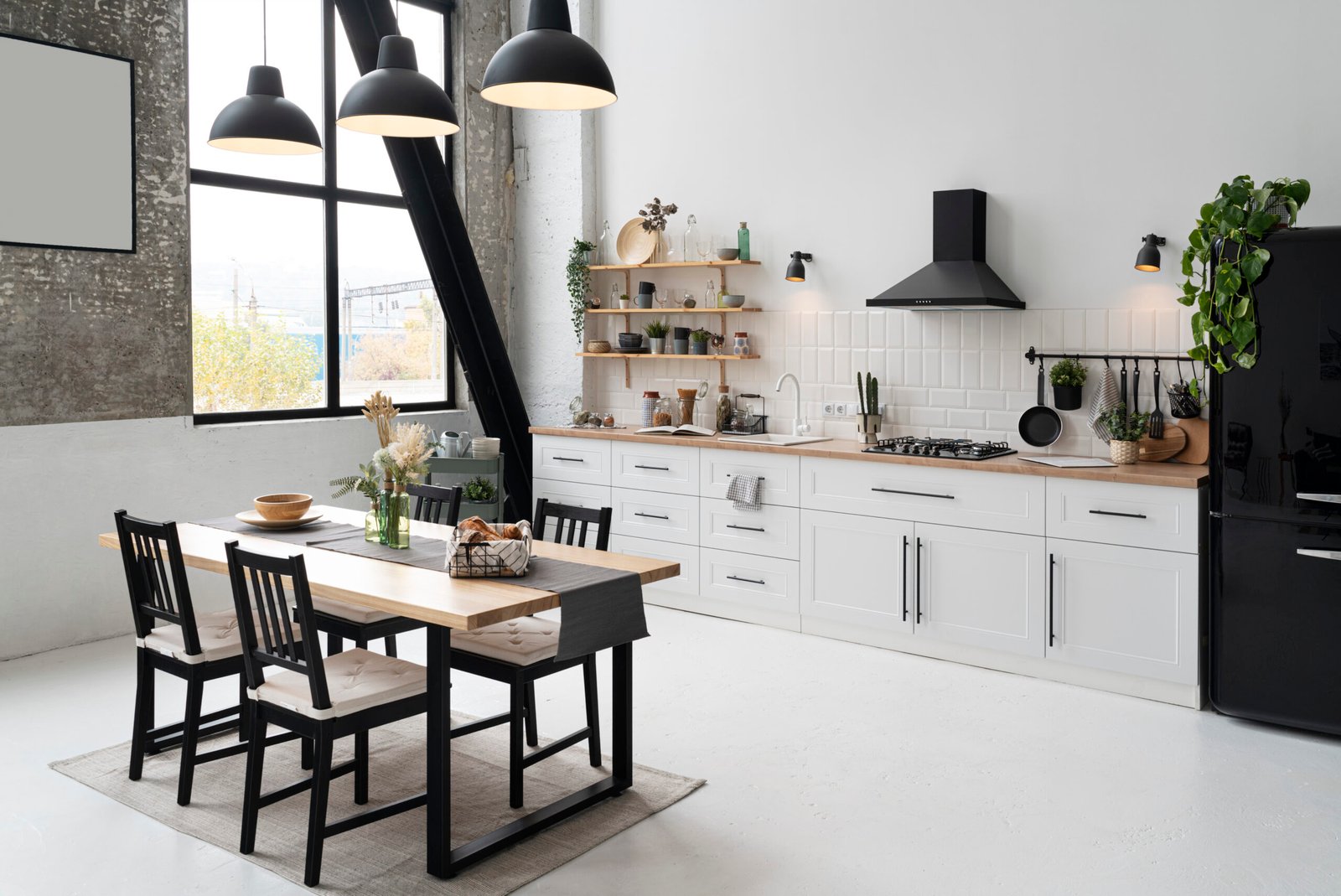
Many modern homes use neutral base colors like white, beige, or gray, then add accent colors for interest. This approach creates a flexible and balanced look. Using smart color schemes for home design and exploring wall color ideas can help you achieve a modern and welcoming space.
Planning furniture layout and room flow
Furniture placement is key to making your home functional and comfortable. When planning your layout, think about how people move through the room. There should be enough space to walk around easily without bumping into furniture.
It is also important to consider scale and proportion. Large furniture in a small room can feel overwhelming, while small pieces in a large space may look lost. Following simple furniture placement tips and focusing on space optimization can help you create a balanced and open layout.
Layering lighting for functionality and ambiance
Lighting is often overlooked, but it plays a big role in home decor. A well-lit home feels warm and inviting. There are three main types of lighting to consider: ambient lighting for overall brightness, task lighting for specific activities, and accent lighting to highlight features.
Natural light is also very important. Try to let in as much sunlight as possible and use mirrors to reflect light around the room. Good home lighting ideas and lighting design tips can improve both the look and function of your space.
Adding textures, fabrics, and materials for depth
Textures make a home feel rich and interesting. Without texture, a room can feel flat and boring. You can add texture through fabrics like rugs, cushions, and curtains, as well as materials like wood, stone, and metal.
In 2026, natural materials are very popular because they create a warm and calming environment. Using layered decor trends and exploring different home decor materials can help you build a space that feels cozy and stylish.
Incorporating wall decor and focal points
Every room needs a focal point that draws attention. This could be a piece of artwork, a mirror, or an accent wall. A strong focal point helps give the room structure and makes it more visually appealing.
When adding wall decor, placement is important. Items should be at eye level and spaced evenly to create balance. Using smart wall decor ideas and gallery wall tips can help you design a space that feels complete and well-organized.
Decorating with accessories and personal elements
Accessories bring life to your home. Items like cushions, rugs, plants, and decorative pieces add personality and warmth. The key is to use them carefully so the space does not feel cluttered.
Modern decorating focuses on personalization. This means adding items that have meaning to you, such as photos or travel souvenirs. Using home accessories ideas and personalized decor helps create a space that truly feels like your own.
Mixing modern and vintage elements for character
Combining modern and vintage pieces is a great way to add character to your home. This mix creates a unique look that feels both fresh and timeless.
The trick is to maintain balance. Too many different styles can make a space feel messy. By carefully blending old and new items, you can achieve an eclectic home decor style that feels thoughtful and well-designed.
Using smart storage and organization for small spaces
If you have a small home, smart storage is very important. Using vertical space, hidden storage, and multi-purpose furniture can help you save space and stay organized.
Small space decorating is all about making the most of what you have. Clever storage solutions and space-saving furniture can make your home feel bigger and more comfortable without adding clutter.
Following the “less but better” approach in 2026 decor trends
In 2026, many people are choosing a “less but better” approach to decorating. This means focusing on a few high-quality items instead of filling your home with too many things.
Minimalist home decor is not about having empty spaces. It is about choosing items that have value and purpose. Statement pieces can stand out more when they are not surrounded by clutter. This approach creates a calm and intentional design.
Common beginner mistakes to avoid when decorating your home
When learning how to start decorating your home, it is easy to make mistakes. One common issue is overcrowding a room with too much furniture or decor. This can make the space feel small and uncomfortable.
Another mistake is ignoring scale and buying items that do not fit the room. Many beginners also follow trends too closely without thinking about their own needs. Avoiding these home decor mistakes and focusing on function over style will help you create a better space.
Easy and budget-friendly decorating ideas for beginners
Decorating your home does not have to be expensive. Simple changes can make a big difference. Repainting walls, rearranging furniture, and adding new fabrics can refresh a space quickly.
DIY home decor projects are also a great way to save money and add a personal touch. Repurposing items you already have can lead to creative and unique results. These cheap decorating ideas are perfect for beginners who want a quick home makeover.
Step-by-step summary: how to start decorating your home
To understand how to start decorating your home, begin by identifying your needs and clearing your space. Create a plan and budget, then choose a style and color palette that suits you. Arrange your furniture carefully and add lighting, textures, and accessories to complete the look.
Take your time and work one room at a time. Decorating is a process, and it is okay to make changes along the way. A beginner decorating guide should always focus on gradual improvement.
Final thoughts: creating a home that reflects your personality
Your home should be a place where you feel comfortable and happy. Instead of chasing trends, focus on what makes you feel at ease. A well-decorated home is not about perfection but about authenticity.
As you continue learning how to start decorating your home, remember that your style will grow and change over time. Experiment with new ideas, make adjustments, and enjoy the process of creating a space that truly reflects who you are.