Introduction: Why the Right Rug Changes a Room
Learning how to choose rugs for home can make every room feel better. A rug does much more than cover the floor. It helps define spaces, adds warmth under your feet, softens noise, protects flooring, and ties your whole design together.
Many homeowners in 2026 want rugs that look stylish but also work hard every day. People want durable rugs that last, easy-care rugs that clean quickly, eco-friendly rugs made from safer materials, washable rugs for busy homes, and modern designs that fit today’s interiors. The best rug should match both your style and your daily life.
Measure Room Size Before Buying Any Rug
Before buying any rug, measure your room first. This is one of the most important steps when learning how to choose rugs for home. A rug that is too small can make a room feel unfinished. A rug that is too large may crowd the space.
Start by measuring the room and then measure where furniture will sit. In a living room, know the sofa, chairs, and table layout before choosing size. In bedrooms, think about how far the rug should extend past the bed. In dining rooms, measure the table and the space chairs need when pulled out.
Many designers suggest leaving some visible floor around the rug. This border helps the room feel balanced and open. Hallway runners should leave space along the edges so the hallway does not feel narrow.
Choose Rugs Based on Room Type
Each room has different needs. A living room rug should anchor the seating area and help furniture feel connected. It should create a comfortable zone where people gather.
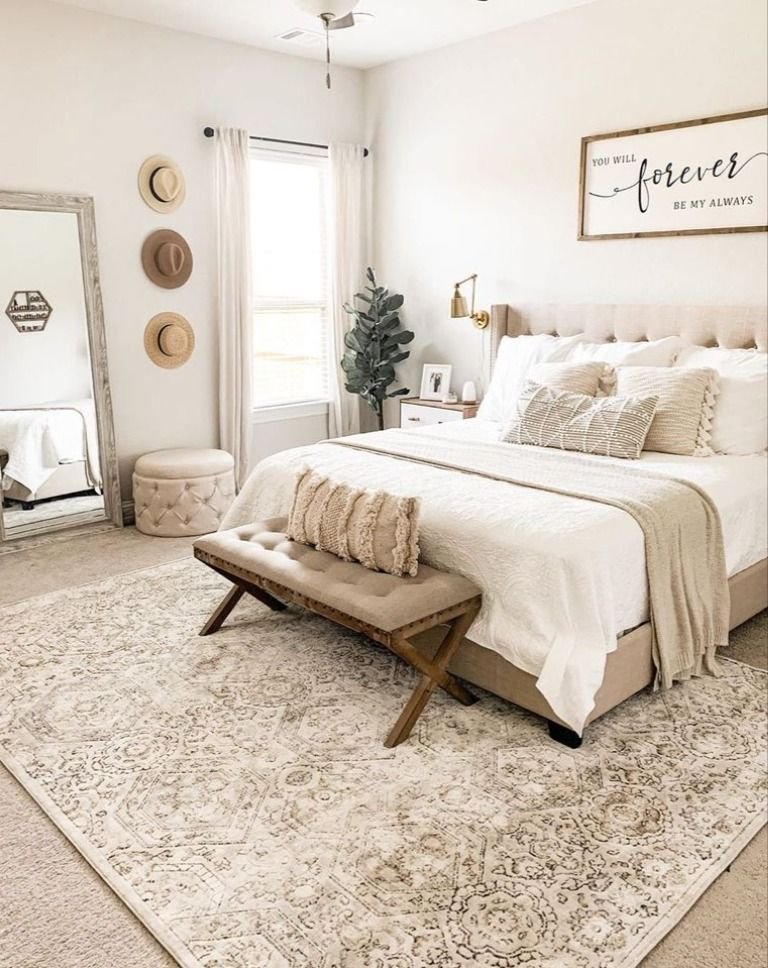
Bedroom rugs should feel soft and warm. Many people place rugs under the bed so the rug extends on both sides. This creates comfort when stepping out of bed.
Dining room rugs should be large enough for chairs to stay on the rug when moved back. This helps chairs slide better and protects floors.
Kitchen rugs need to be practical. Low-pile washable rugs are popular because they are easier to clean. Entryways need stain-resistant runners that can handle dirt, shoes, and heavy use.
Select the Best Rug Material for Lifestyle Needs
Rug material affects comfort, durability, and cleaning. Wool rugs are known for softness and long life. They resist wear well and feel warm, though they may cost more.
Cotton rugs are lighter and often easier to wash. They work well in casual spaces and kitchens. Jute rugs and sisal rugs bring natural texture and an earthy look. They are strong but may feel rougher underfoot.
Polypropylene rugs are very popular because they resist stains, moisture, and fading. They are a smart choice for kids, pets, and busy rooms. Polyester rugs are soft and often colorful, though they may flatten over time.
Viscose rugs can look shiny and elegant, but they may need more careful cleaning. Blended fiber rugs combine materials to balance softness, durability, and price.
Pick the Right Rug Size for Furniture Placement
One common mistake is choosing a rug that is too small. In living rooms, at least the front legs of sofas and chairs should rest on the rug. This helps the room look connected.
In larger rooms, all furniture legs can sit on the rug for a grander look. In bedrooms, the rug should extend beyond the bed sides and foot so there is soft space to step on.
For dining rooms, allow enough rug space beyond the table edges so chairs stay on the rug when pulled out. Popular rug sizes in 2026 include 5×8, 6×9, 8×10, 9×12, and runners for narrow spaces.
Understand Rug Pile Height and Texture
Pile height means how thick the rug fibers are. Low-pile rugs are flatter and easier to vacuum. They are excellent for high-traffic rooms, dining areas, and homes with robot vacuums.
Medium-pile rugs offer a mix of comfort and easy care. They are common in living rooms and bedrooms.
Shag rugs feel soft and cozy but need more cleaning. Flatweave rugs are thin, lightweight, and practical for busy areas. Performance rugs are made for durability and are great for families, pets, and active homes.
Match Rug Color With Interior Design Style
Color changes how a room feels. Neutral rugs work with many styles and are easy to update with new furniture or décor. Beige, gray, cream, and taupe remain popular choices.
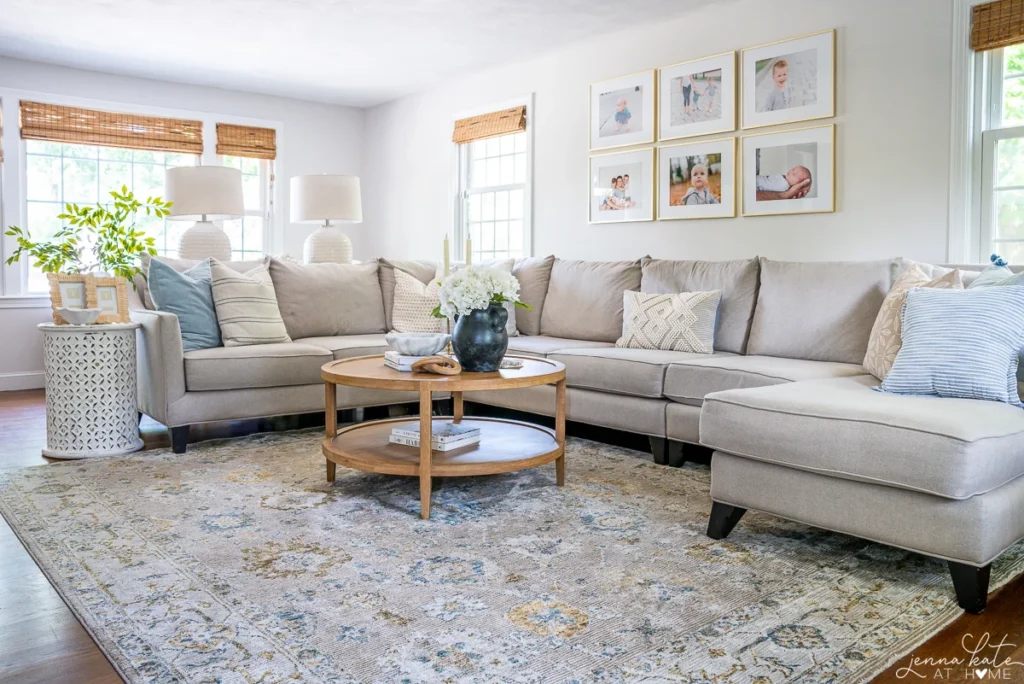
Patterned rugs can hide dirt and add personality. Dark rugs create contrast and can ground a light room. Light rugs help small rooms feel larger and brighter.
In 2026, earthy tones such as clay, sand, olive, rust, and warm brown are trending. When choosing color, consider wall paint, furniture tones, and natural light. A dark room may benefit from lighter rugs, while bright rooms can handle deeper colors.
Choose Rug Patterns Without Overcrowding the Room
Patterns add style, but too many patterns can feel busy. If your furniture or wallpaper already has strong prints, choose a simpler rug.
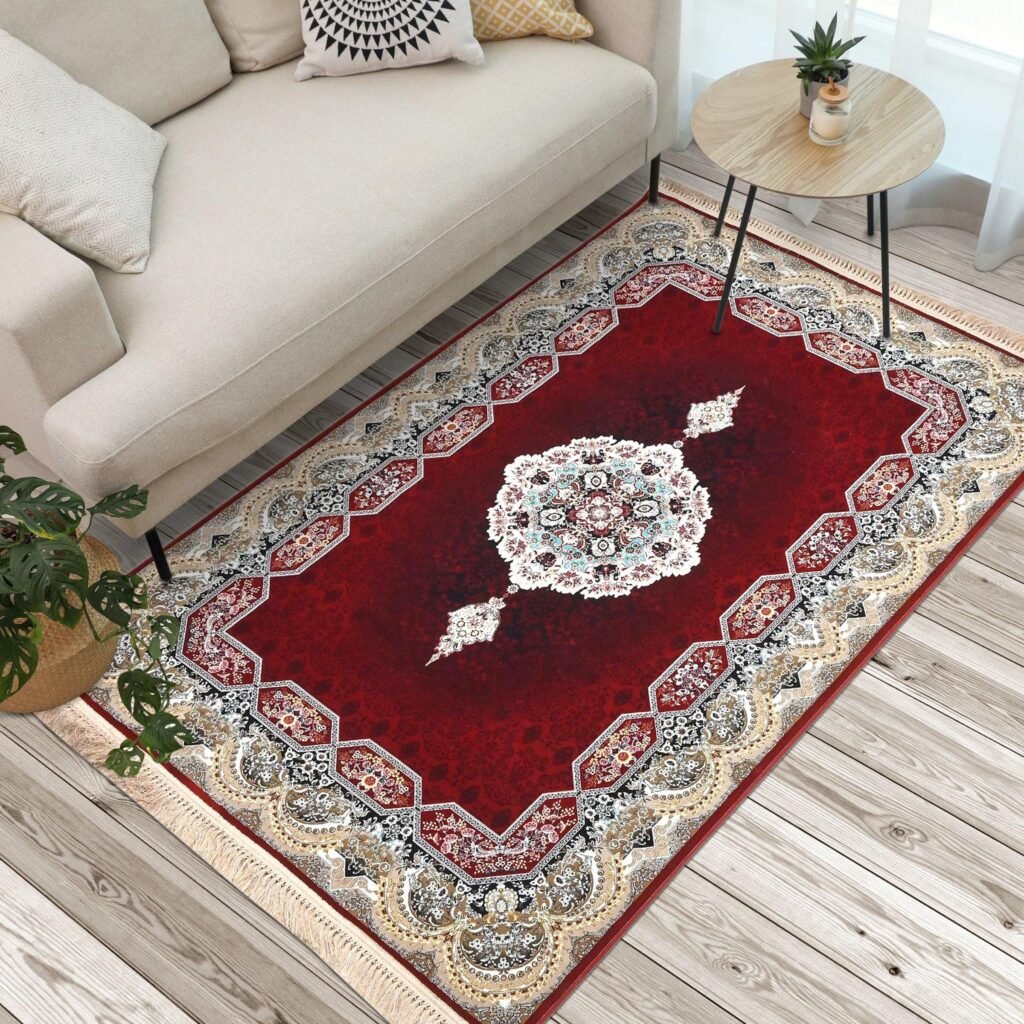
Geometric rugs work well in modern rooms. Persian-inspired rugs add timeless charm and warmth. Abstract rugs bring artistic energy. Striped rugs can make a room look longer or wider. Floral rugs create softness and classic beauty.
Minimal textured rugs are ideal when you want interest without loud patterns. The goal is balance. Let the rug support the room, not overpower it.
Consider Durability for High-Traffic Areas
Busy homes need durable rugs. If you have children, pets, or rooms used every day, choose materials built to last.
Stain-resistant rugs are helpful in living rooms, dining rooms, and entryways. Washable rugs are great for spills and muddy paws. Indoor-outdoor rugs can work inside busy homes because they resist moisture and wear.
Fade-resistant fibers are smart for sunny rooms where direct light hits the floor.
Prioritize Easy Cleaning and Maintenance
Easy care matters when deciding how to choose rugs for home. Some rugs need regular vacuuming and quick spot cleaning. Others can be machine washed.
Low-shed materials help reduce loose fibers. Mold-resistant rugs are useful in damp areas like basements or near doors. Anti-slip backings can help rugs stay in place.
Machine-washable rugs remain a strong trend in 2026 because they fit busy lifestyles and make cleanup simple.
Choose Safe Rugs With Rug Pads
Rug pads are often overlooked, but they are very important. A rug pad helps prevent slipping, adds comfort, protects floors, reduces noise, and helps rugs last longer.
Different floors need the right pad. Anti-slip rug pads work well on tile, hardwood, laminate, and vinyl floors. A quality pad can also keep corners flatter and reduce movement.
Balance Rug Quality With Budget
You do not need the most expensive rug to get good value. Handmade rugs often last many years and may become statement pieces. Machine-made rugs are usually more affordable and offer many styles.
Tufted rugs can feel soft and stylish at a moderate price. Custom rugs are ideal for unusual room sizes but may cost more.
Think about lifespan and maintenance cost. A cheaper rug replaced often may cost more over time than one durable rug bought once.
Layer Rugs for Modern Home Styling
Layering rugs is a popular 2026 trend. It adds warmth, depth, and designer style. A common look is placing a patterned rug over a large jute base rug.
Layering also works over carpet to add color and texture. Mixing materials can make a room feel richer and more inviting.
Eco-Friendly and Sustainable Rug Options
Many buyers now care about sustainability. Natural fiber rugs such as wool, jute, and sisal remain popular. Recycled material rugs are also growing in demand.
Look for low-VOC rugs made with fewer chemical emissions. Ethically sourced wool and responsible manufacturing are important to many homeowners who want healthier indoor spaces.
Common Rug Buying Mistakes to Avoid
The biggest mistake is buying a rug that is too small. Another mistake is ignoring traffic level and choosing delicate materials for busy rooms.
Some people choose rugs that are hard to clean for kitchens or homes with pets. Others skip the rug pad, which can reduce comfort and safety.
Clashing colors can hurt the room’s look. Buying without measuring furniture placement often leads to poor fit.
Quick Room-by-Room Rug Buying Guide
Living rooms do well with medium or durable anchor rugs. Bedrooms need soft, warm rugs with enough size around the bed. Dining rooms need larger low-pile rugs.
Kitchens benefit from washable low-pile rugs. Nurseries need soft and easy-clean materials. Offices work well with flatweave or low-pile rugs that allow chairs to move.
Hallways need runners with strong fibers. Balconies do best with indoor-outdoor rugs that resist weather and fading.
Final Thoughts: How to Choose Rugs for Home With Confidence
If you want to know how to choose rugs for home with confidence, begin with size first. Then choose the right material for your lifestyle. After that, focus on color, pattern, and style. Finally, think about cleaning and long-term care.
The best rug is not always the trendiest one. It is the rug that fits your room, feels comfortable, handles daily life, and keeps looking great for years.