Introduction — Why Interior Design Feels Confusing at First
When you walk into an empty room, it can feel hard to know what to do next. The walls look plain, the space feels unfinished, and ideas don’t come easily. Many beginners face this same problem, so you are not alone.
Interior design is simply about making your home look nice, feel comfortable, and work well for your daily life. You do not need expensive items or expert skills to begin. With a few simple changes and clear ideas, you can slowly turn any space into something warm and inviting.
Learning what are simple interior design tips for beginners starts with understanding that small steps matter more than big changes.
Understand Your Space Before You Start Decorating
Before you bring in furniture or decor, take a moment to study your room carefully. Look at the size, shape, and layout of the space. Measuring your room helps you avoid buying things that do not fit properly.
Think about how you move around in the room. There should always be enough space to walk freely without bumping into furniture. A well-arranged room feels easy and natural to use.
Also, notice how light enters your space during the day. Sunlight can change how colors look on your walls and furniture. Rooms with more natural light feel brighter and more open.
Every room should have one main feature that catches attention. This could be a window, a sofa, or even a wall. Once you find this focal point, it becomes easier to arrange everything around it.
Choose a Simple Color Palette and Stay Consistent
Colors play a big role in how your home feels. If you choose too many colors, the space can look messy. That is why beginners should keep things simple.
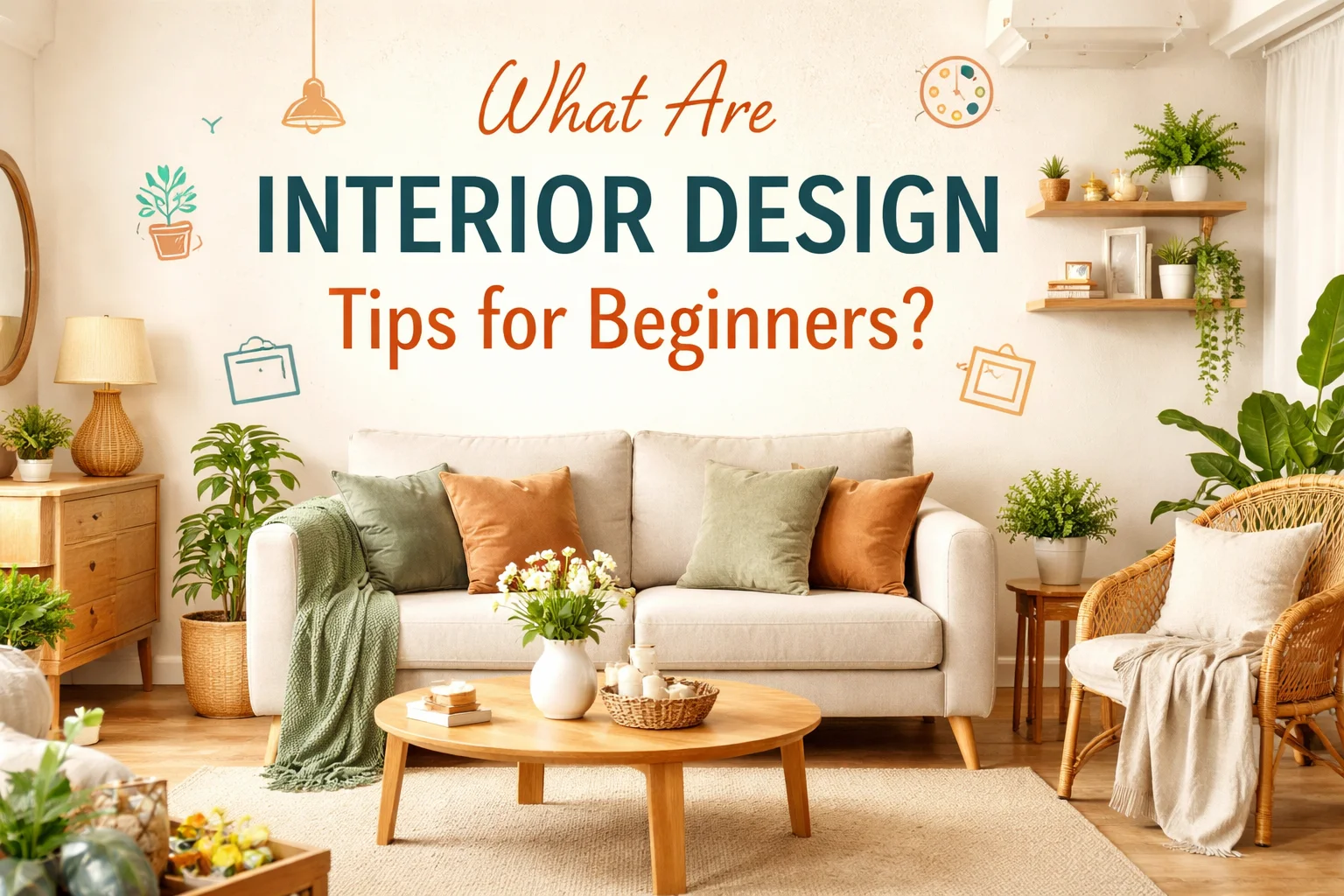
Start with soft and neutral colors like white, beige, or light gray. These shades create a clean base that works in almost any room. After that, you can add small touches of color through cushions, curtains, or decor.
Some colors make a room feel calm, while others add energy. Light shades often make a space look bigger, while darker tones create a cozy feeling. Try to keep your color choices balanced so everything looks connected.
Consistency is important. When colors match across the room, the design feels more complete and peaceful.
Pick Furniture That Fits Your Space
One common mistake beginners make is choosing the wrong size furniture. If items are too large, the room feels crowded. If they are too small, the space looks empty.
Always think about the size of your room before buying anything. Furniture should fit comfortably without blocking movement. It is better to choose a few useful pieces than to fill the room with too many items.
Simple and functional furniture works best for beginners. Clean designs and space-saving options can make your home look modern and organized at the same time.
Use Lighting to Improve the Mood of Your Room
Lighting can completely change how a room looks and feels. A space with poor lighting may look dull, even if the design is good.
Try to use natural light as much as possible. Open curtains during the day and let sunlight fill the room. For evenings, use different light sources instead of just one bright bulb.
Soft lighting creates a relaxing mood, especially in bedrooms and living rooms. Brighter lighting is better for areas where you work or cook. Adding lamps in corners can also make your space feel warm and inviting.
Decorate Your Walls Without Overdoing It
Walls are like a blank canvas, but they do not need to be filled completely. Simple wall decor ideas can make a big difference without making the room look busy.
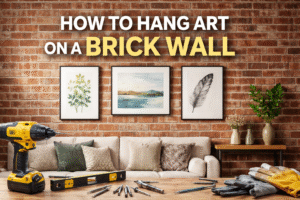
You can use artwork, mirrors, or shelves to add interest. A mirror can also reflect light and make the room appear larger.
It is a good idea to focus on one main wall instead of decorating every wall. This keeps the space balanced and easy to look at.
Add Textures to Make Your Home Feel Comfortable
A room can look nice but still feel cold if it lacks texture. Adding soft and natural materials helps make your home feel warm and cozy.
Items like rugs, cushions, and curtains are easy ways to bring texture into your space. Mixing different materials also makes the design more interesting.
For example, combining soft fabrics with wooden or smooth surfaces creates a balanced look. These small details help your home feel more welcoming.
Use Simple Accessories to Add Personality
Accessories are the finishing touch of any room. Small items like plants, candles, and photo frames can make your space feel more personal.
Indoor plants are especially helpful because they bring life and freshness into your home. Even a small plant can make a big difference.
However, it is important to avoid adding too many items. Too much decoration can make a room feel crowded. Keeping things simple helps maintain a clean and stylish look.
Create a Clear Focal Point in Each Room
Every room should have one area that stands out. This is called a focal point. It helps guide the eye and gives the room a sense of direction.
Your focal point could be a bed, a sofa, or a piece of art. Once you choose it, arrange other items around it in a balanced way.
This makes your space feel more organized and visually appealing.
Make Small Spaces Look Bigger and Better
Designing a small room can be challenging, but simple tricks can help. Light colors can make the space feel open and airy.
Mirrors are also very useful because they reflect light and create the feeling of more space. Choosing furniture that has more than one use is another smart idea.
Keeping the room clean and organized also makes a big difference. When there is less clutter, even a small space can feel comfortable and stylish.
Decorate Your Home on a Budget
You do not need a lot of money to improve your home. Budget-friendly interior design is all about making smart choices.
You can reuse old furniture, try simple DIY ideas, or shop for affordable decor. Even small updates can change the look of a room.
The key is to focus on creativity instead of spending too much. A well-thought-out space always looks better than one filled with expensive items.
Avoid Common Beginner Mistakes
Many beginners make small mistakes that affect the overall design. One of the biggest mistakes is adding too many decorations.
Another common issue is poor lighting or choosing the wrong size furniture. Mixing too many colors can also make the room look confusing.
To avoid these problems, keep your design simple and balanced. Focus on what works best for your space instead of following too many trends.
Follow Modern Interior Design Trends in 2026
Interior design trends continue to change, but simplicity remains important. In 2026, many homes focus on clean designs and natural elements.
Eco-friendly materials and plants are becoming more popular. People are also using smart technology to make their homes more comfortable.
While trends can inspire you, it is always better to choose what fits your personal style and needs.
Make Your Home Look Stylish Without a Designer
You do not need to hire a professional to create a beautiful home. Simple steps like arranging furniture neatly and choosing matching colors can make a big difference.
Pay attention to details like lighting, textures, and spacing. A clean and organized room always looks more attractive.
With a little effort and creativity, you can design a space that feels both stylish and comfortable.
Conclusion — Start Small and Build Your Style
Interior design becomes easier when you take it step by step. You do not have to change everything at once. Small improvements can slowly transform your home.
What are simple interior design tips for beginners? The answer is to keep things simple, stay consistent, and focus on comfort. As you try new ideas, you will gain confidence and discover your own style.
In the end, your home should reflect who you are and make you feel happy every day.