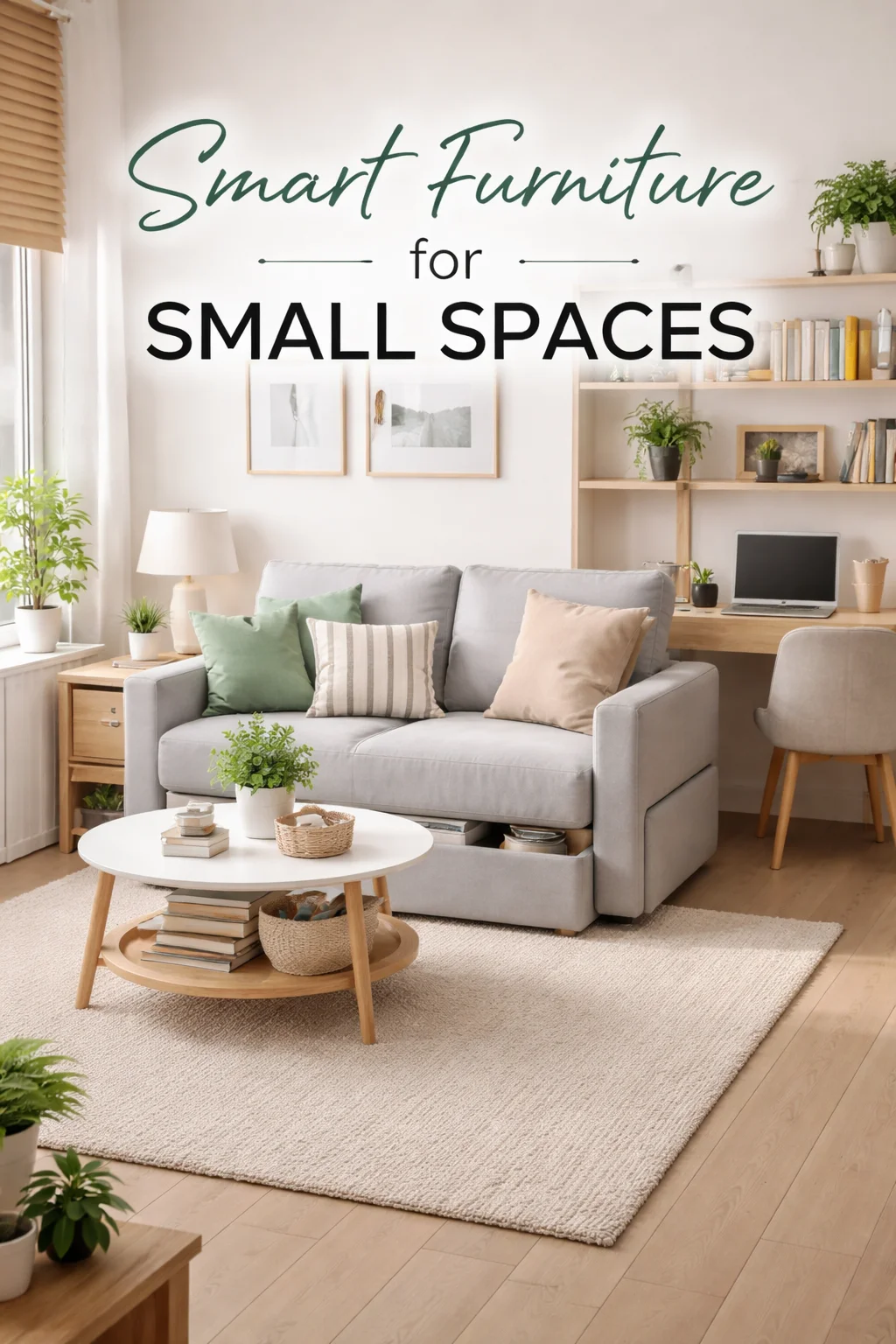
Introduction — The Real Challenge of Small Space Living
Living in a small space can feel frustrating at first. You bring in furniture, arrange everything as best as you can, and yet the room still feels tight, crowded, and uncomfortable. Many people assume the problem is the size of the room, but in reality, the issue is usually the furniture choices.
A small space does not have to feel small. With the right approach, even a compact apartment or room can feel open, functional, and stylish. Learning how to choose furniture for small spaces is not about buying tiny items or sacrificing comfort. Instead, it is about making smart decisions that maximize every inch of your home.
When furniture is selected carefully, it can completely transform a space. A cramped room can feel open, a cluttered layout can feel organized, and a basic setup can feel thoughtfully designed. The good news is that you do not need a big budget or professional design experience to achieve this.
This guide will walk you through practical, easy-to-follow steps to help you choose the right furniture for small spaces. By the end, you will feel confident in creating a home that is both beautiful and functional.
Measure First — Understand Your Space Completely
Before buying any furniture, the most important step is to measure your space. Skipping this step often leads to costly mistakes. Many people fall in love with a piece of furniture, only to realize later that it does not fit properly in their room.
Start by measuring the length and width of your room. Then measure the height of the ceiling as well. This is especially important if you plan to use tall shelves or vertical storage. Do not forget to measure doorways, hallways, and staircases. Furniture must pass through these areas before reaching its final place.
It is also helpful to note the position of windows, doors, and electrical outlets. These details affect where furniture can be placed. For example, you do not want a large cabinet blocking natural light from a window.
After taking measurements, create a simple layout of your room. You can draw it on paper or use a digital tool. Visualizing the space helps you understand how furniture will fit and how much room you have to move around.
Another key factor is clearance space. This refers to the walking area between furniture pieces. A room may technically fit multiple items, but without enough space to move, it will feel cramped. Ideally, you should leave enough space so people can walk comfortably without bumping into furniture.
Taking time to measure and plan may seem simple, but it is the foundation of good furniture selection. It helps you avoid mistakes and ensures your space remains comfortable and functional.
Prioritize Multi-Functional Furniture
In small spaces, every piece of furniture should serve more than one purpose. This is one of the most effective ways to save space while maintaining comfort and usability.
Multi-functional furniture is designed to perform multiple roles in a single piece. For example, a sofa bed can be used for seating during the day and sleeping at night. This eliminates the need for a separate bed in studio apartments.
Storage ottomans are another great option. They provide a place to sit or rest your feet while also offering hidden storage for items like blankets, books, or clothes. This helps reduce clutter and keeps the room organized.
Extendable dining tables are also very useful. They can stay compact for everyday use and expand when guests arrive. This allows you to enjoy both convenience and flexibility without taking up extra space permanently.
Beds with built-in drawers are perfect for small bedrooms. They reduce the need for additional storage furniture like dressers. Similarly, wall-mounted desks can fold away when not in use, freeing up valuable floor space.
Modern furniture design has made multi-functional options more stylish and accessible than ever. Many pieces are designed to look sleek and minimal while offering maximum functionality.
Choosing furniture that serves multiple purposes allows you to do more with less. It helps you maintain a clean and open environment while still meeting all your daily needs.
Choose the Right Scale and Proportion
Selecting the correct size of furniture is essential in small spaces. This is known as furniture scale. It refers to how well each piece fits within the room and how it relates to other furniture.
Oversized furniture is one of the most common mistakes. A large sofa or bulky table can dominate the room, leaving little space for movement. It can make the area feel heavy and crowded.
On the other hand, furniture that is too small can also be a problem. When pieces are too tiny, the room can feel unbalanced and incomplete. Instead of looking open, it may appear scattered and poorly planned.
The goal is to find a balance. Choose furniture that fits the size of the room without overwhelming it. Look for pieces with slim designs and clean lines. Furniture with exposed legs is especially useful because it creates a sense of openness. When you can see the floor beneath the furniture, the room appears larger.
Round tables are often a better choice for small dining areas. They take up less visual space and allow for easier movement. Similarly, low-profile beds can make a bedroom feel more spacious by creating the illusion of higher ceilings.
Keeping sightlines open is another important principle. This means avoiding tall or bulky furniture that blocks your view across the room. When your eyes can move freely, the space feels larger and more connected.
Choosing the right scale ensures that your furniture fits naturally within the room and enhances the overall layout.
Use Vertical Space Effectively
When floor space is limited, the best solution is to think vertically. Walls offer a large amount of unused space that can be used for storage and decoration.
Tall shelves and bookcases are excellent for maximizing vertical space. They draw the eye upward, making the room feel taller. This creates a sense of height and openness.
Wall-mounted shelves are another great option. They keep items off the floor while providing storage for books, plants, and decorative pieces. This reduces clutter and keeps surfaces clear.
In kitchens and workspaces, pegboards can be used to hang tools and accessories. This keeps everything organized and easily accessible without taking up counter space.
Mounting your television on the wall is another smart choice. It eliminates the need for a bulky TV stand and frees up floor space. This simple change can make a noticeable difference in a small living room.
Curtains can also play a role in creating the illusion of height. Hanging them closer to the ceiling rather than directly above the window makes the room appear taller and more spacious.
Using vertical space allows you to store more without overcrowding the room. It helps maintain a clean and open look while improving functionality.
Stick to a Light and Cohesive Color Scheme
Color plays a major role in how a space feels. In small rooms, lighter colors are usually the best choice because they reflect light and create a sense of openness.
Furniture in shades like white, beige, light gray, or soft wood tones helps make the room feel brighter and larger. These colors blend well with most interiors and create a calm atmosphere.
This does not mean you have to avoid color completely. Adding one or two bold accent pieces can bring personality to the space. For example, a colorful chair or decorative item can add interest without overwhelming the room.
The key is to maintain a cohesive color scheme. Avoid mixing too many different colors and finishes. When there are too many contrasting elements, the room can feel busy and cluttered.
A consistent color palette creates a smooth visual flow. It helps the room feel connected and well-designed. Tone-on-tone styling, where different shades of the same color are used, is especially effective in small spaces.
Keeping the color scheme simple and unified enhances the overall look and makes the space feel more relaxing.
Conclusion — Make Smart Choices for a Better Living Space
Furnishing a small space does not mean compromising on comfort or style. It simply requires thoughtful planning and smart decision-making.
By measuring your space carefully, you can avoid costly mistakes. Choosing multi-functional furniture allows you to maximize utility without overcrowding the room. Selecting the right scale ensures that every piece fits naturally within the space.
Using vertical storage helps you take advantage of unused areas, while a cohesive color scheme keeps the room feeling open and balanced.
The key is not to focus on how small the space is, but on how effectively it is used. Even the smallest room can feel comfortable, stylish, and welcoming when designed with care.
You do not need more space — you need better choices. Start applying these principles step by step, and you will see how quickly your small space transforms into a place you truly enjoy living in.